Flags Of Convenience Cruise Ships
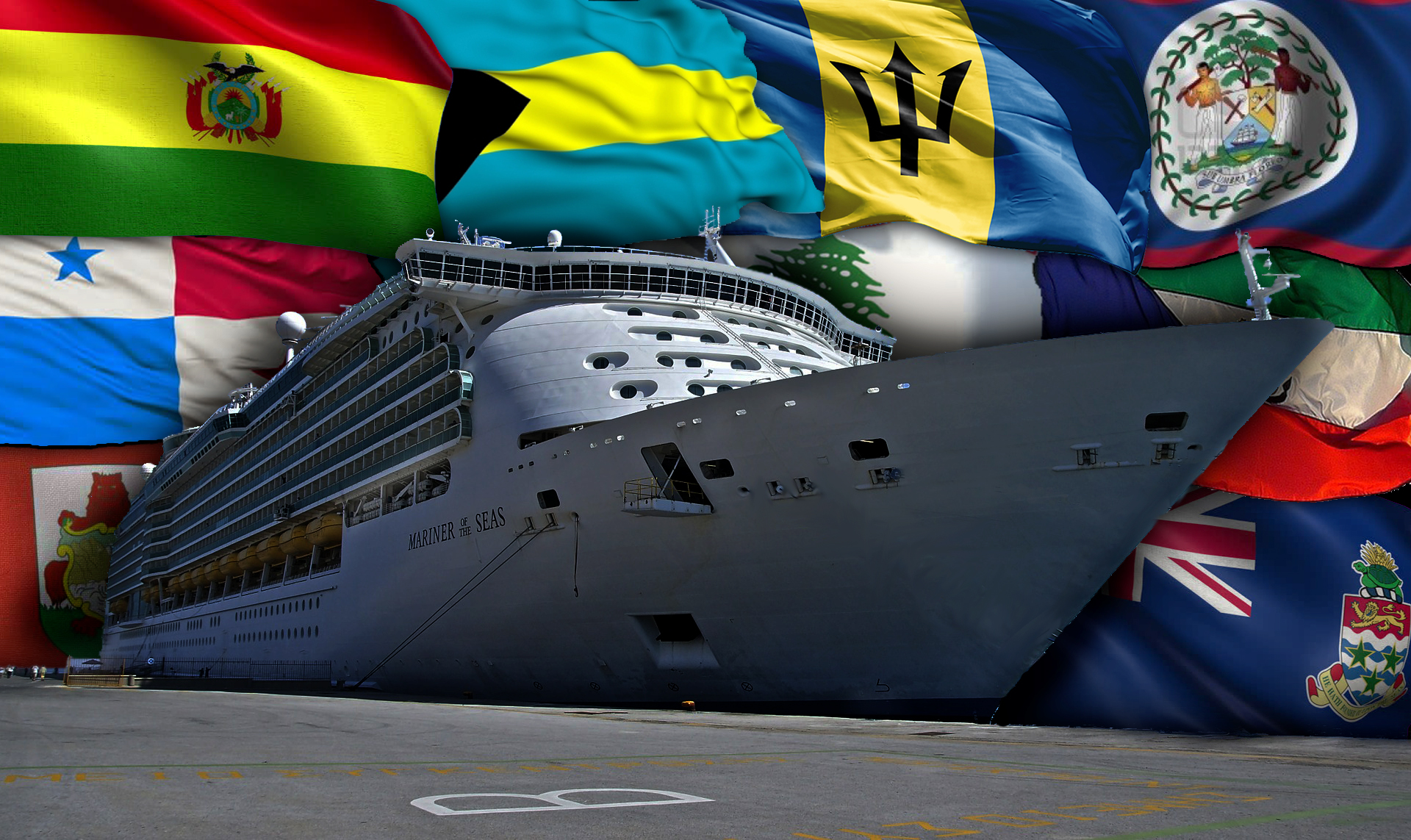
Why Cruise Ships Fly Flags Of Convenience
Flags Of Convenience Why Cruise Lines Go Above And Beyond Youtube

Why Do Cruise Ships Sail Under Foreign Flags Cruzely Com

Why Are Cruise Ships Registered In Foreign Countries

Cruise Ships Itf Seafarers

Offshore Cruise Ship Registry In 18 Jurisdictions Gt Offshore Shield
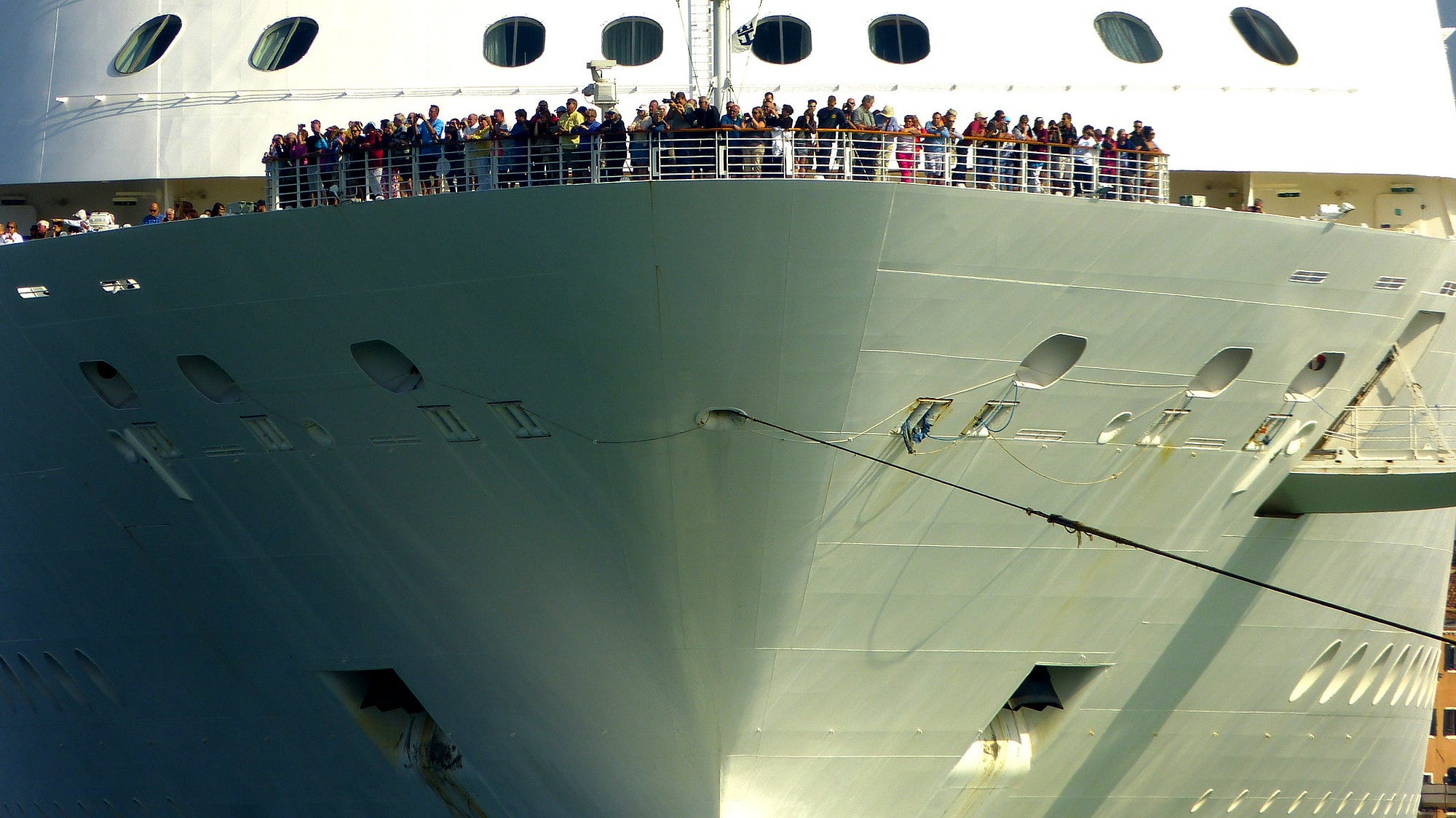
Flags of convenience are commonplace in the merchant ship industry.
Flags of convenience cruise ships. This is called flags of convenience FOC which is a contentious maritime industry practice of allowing vessel owners to avoid regulations and taxes and reduce labor costs by hiring cheaper foreign mariners often with questionable credentials. Between 2002 and 2019 the top flags of convenience shifted from Panama and Liberia to two small island countries Comoros and Palau which will issue flags for a fee without proper regulations. The cruise lines and the cruise industrys trade organization the Cruise Line International Organization CLIA spend many millions of dollars lobbying our US.
Inadequate food and clean drinking water. Almost All Cruise Ships Fly Foreign Flags Heres 3 Reasons Why. Failure of maritime rules.
The performance of the flag state which dictates how a ship is prioritized by port states. As a commercial venture Panamas flag of convenience is a success. Norway and England the traditional flag nations have 16- and 10-vessel fleets respectively - compared to Greece with 25 ships.
The Cruise Lines International Association explains the reason behind the fact that 90 of the cruise liners register their ships under a foreign flags due to the capabilities of the flag to deliver the services needed. Heres why a cruise ship flags matters. Posted in Flags of Convenience Lobbying.
By registering ships in countries that have no national ownership requirement for ships entered on their registries a practice known as open registry a shipping operator can avoid tax employment and environmental laws. Read More about Almost All Cruise Ships Fly Foreign Flags Heres 3 Reasons Why. Long periods of work without proper rest leading to stress and fatigue.
Cruise Line Flag of Convenience Explained. These flags of convenience are used for the majority of the worlds passenger and cargo fleet -- and its pretty rare to have the United States seen there. Representation and reputation of the flag in the international shipping community.
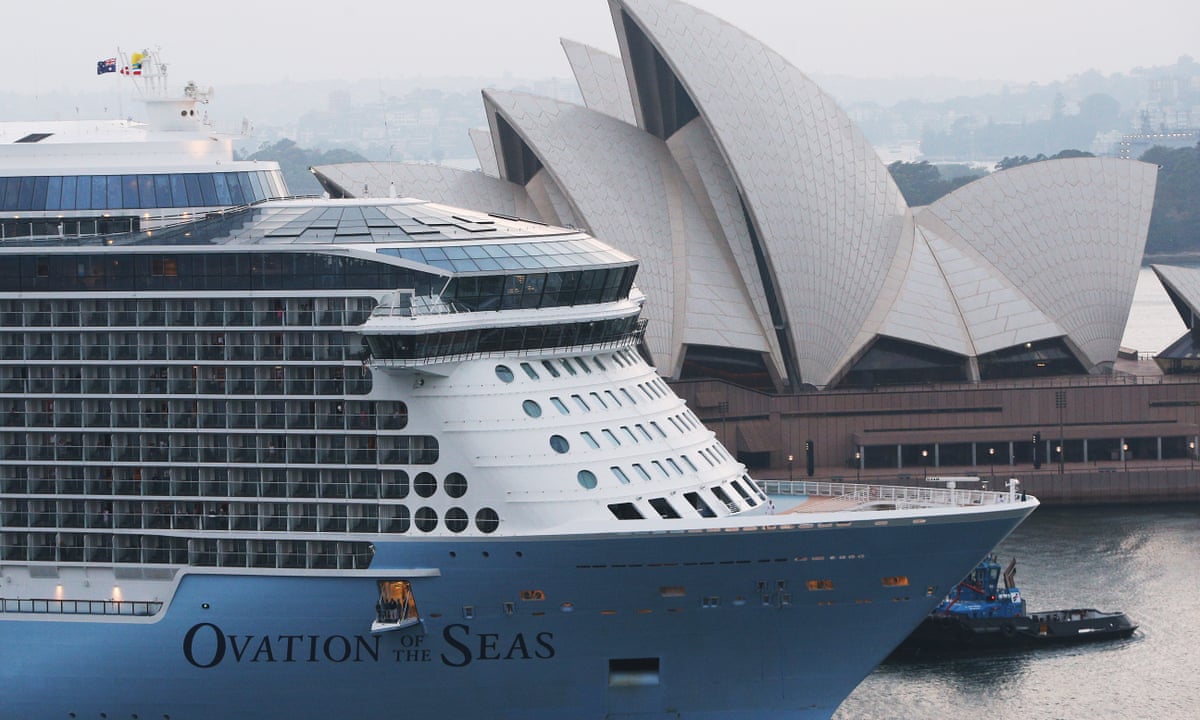
A Moral Obligation Radical Reform Urged Before Cruise Ships Allowed To Return To Australia Tourism Australia The Guardian

Seafarers Working On Cruise Ships And Ferries Are The Unhappiest Itf Seafarers

Cruising On The Au Co Ha Long Bay Cruise Holidays Cruise

Seafarers Working On Cruise Ships And Ferries Are The Unhappiest Itf Seafarers
/cruiseshipinvenice-9922baadcad842d192e18780a714af3a.jpg)
Venice Says No To Cruise Ships

One In Three Cruise Ships In U S Waters Have Covid 19 On Board Six Passengers On Adventure Of The Seas Test Positive Cruise Law News

Carnival Panorama The Latest Fun Ship With Covid 19 Aboard Cruise Law News

Odyssey Of The Seas Arrival In Israel Marred By Crew Death Cruise Law News
Rising From The Dead What Will Post Pandemic Cruising Be Like By J M Cheer Tourism Geographic Medium
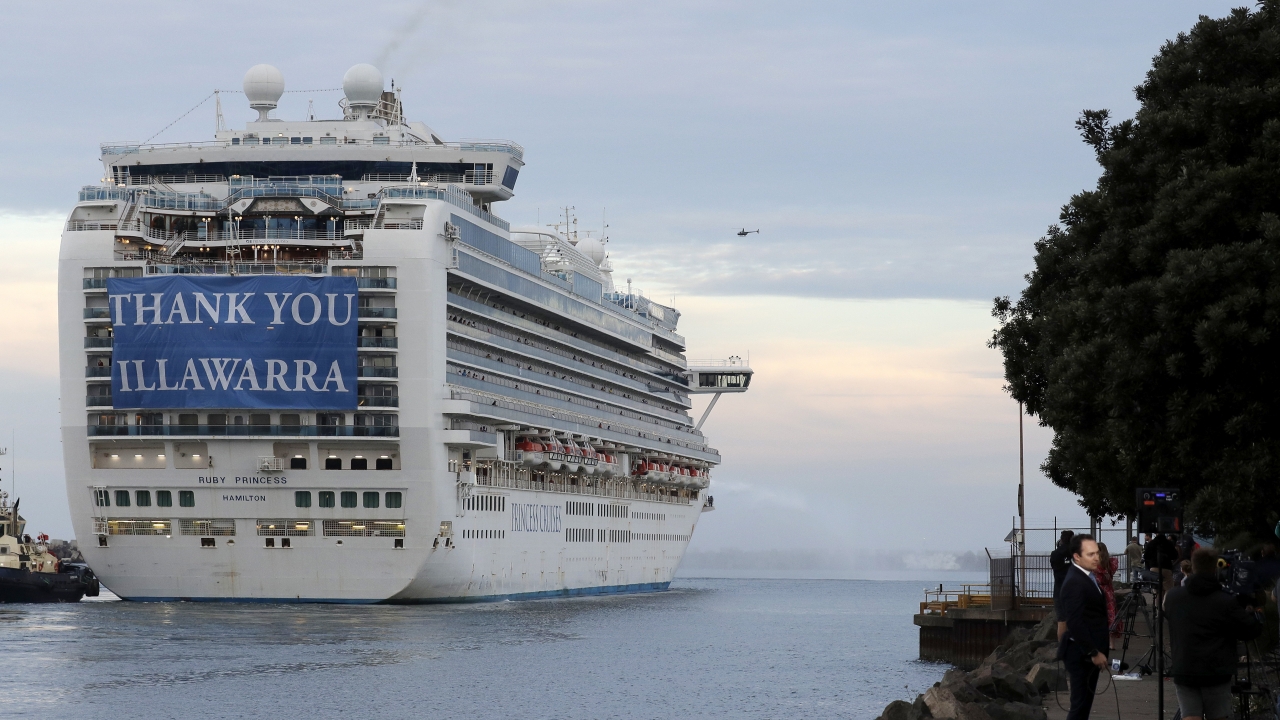
Ruby Princess Cruise Ship Departs Australia Video

Cruise Ships Can Be Wildly Harmful To The Surrounding Environment Earth Com

Six Questions To Clia Regarding Its Press Release Cruise Lines Ready To Sail Again In The U S Cruise Law News
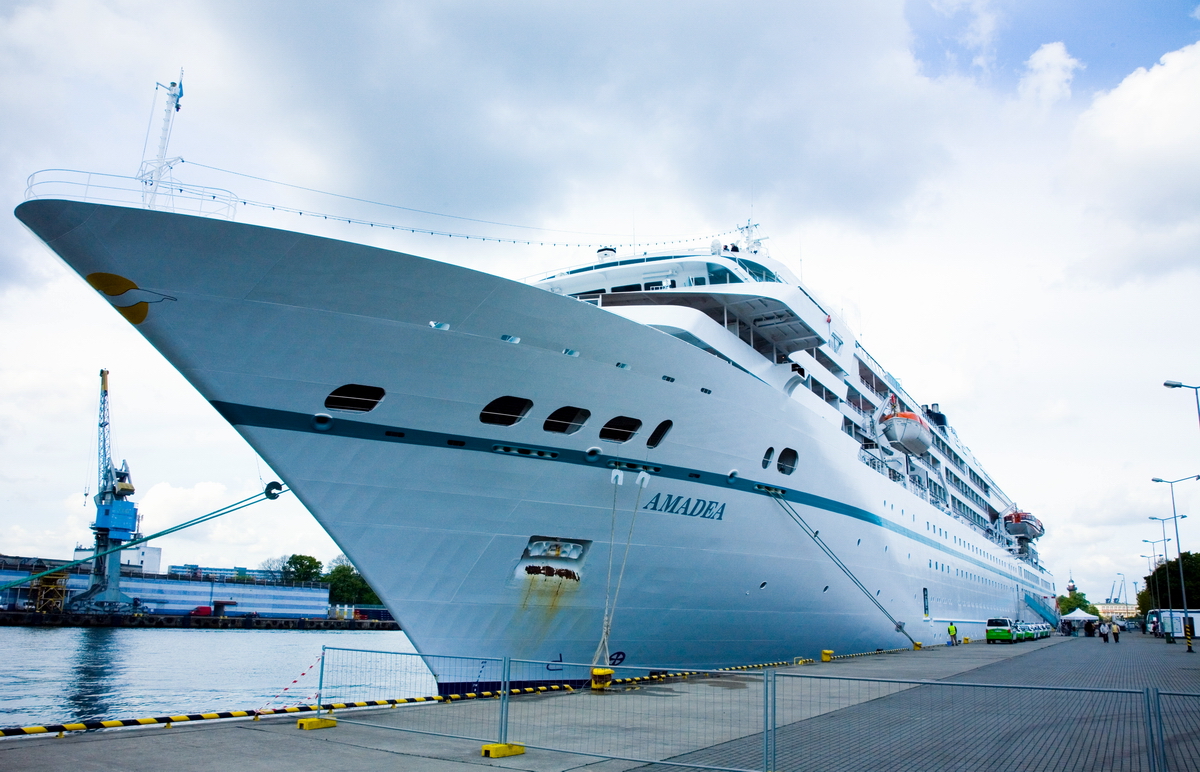
New Quality Of Service For Passengers Of Cruise Ships At The Port Of Gdansk Poland At Sea Maritime Economy Portal

Doug Parker S Tweet On Cdc S Guidance On Resuming Sailing Most Popular

